While leading User Research at Ecosia, I sometimes stepped in to support cross-functional initiatives in a more full-stack way — bringing a user-centered mindset to early product exploration. One such initiative involved shaping a B2B solution offering Trees-as-a-Service to organizations seeking to enhance their sustainability impact. I collaborated closely with Business Development, Marketing, and C-level stakeholders to define a compelling value proposition and co-create a viable path to MVP.
Capturing the scope
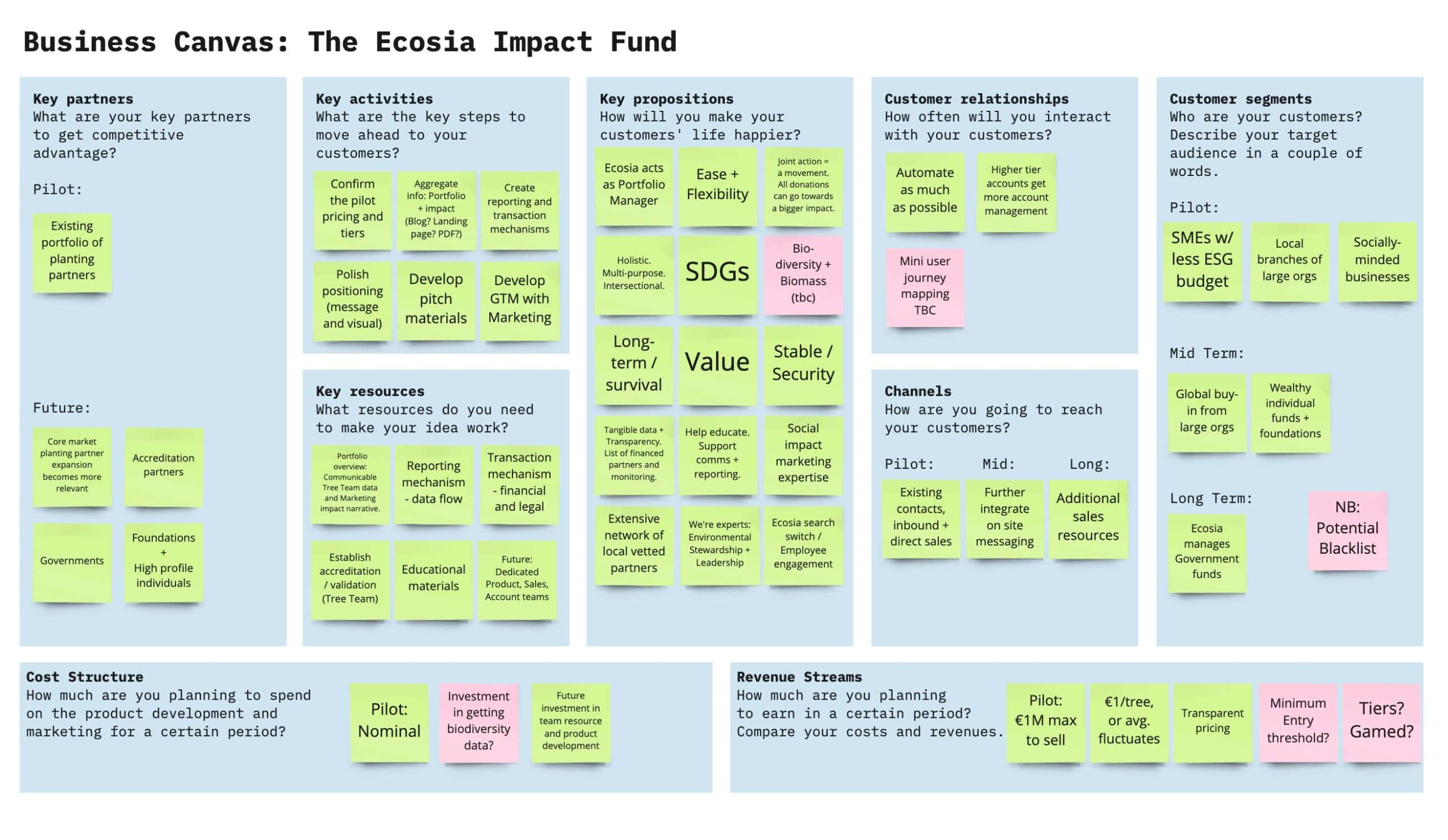
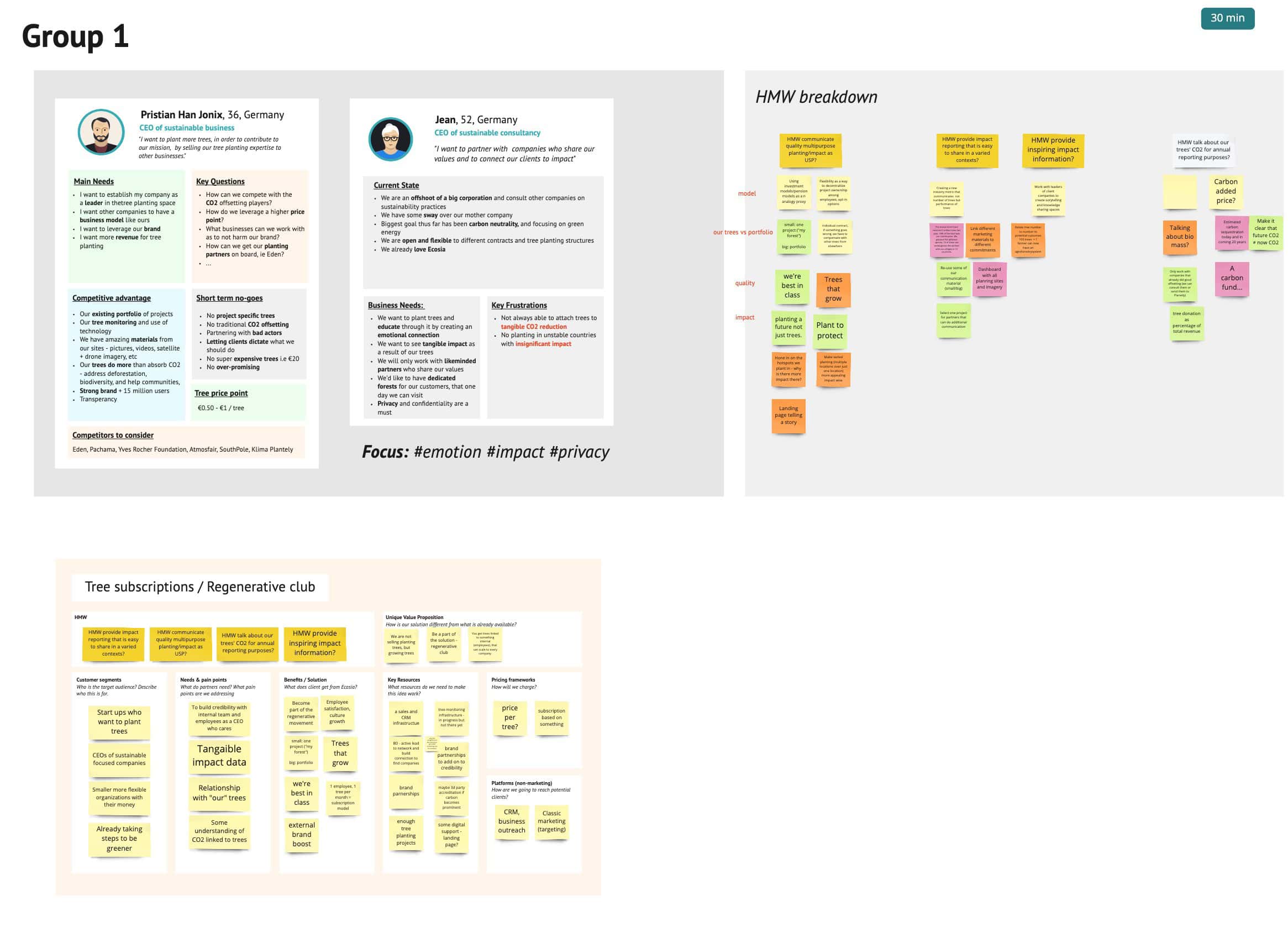
To ground the offering and business value, I facilitated a collaborative session with key stakeholders. Together, we mapped out our unique value proposition, customer segments, and potential revenue streams. This exercise helped align cross-functional perspectives around what we could meaningfully offer and what success would look like, shaping the strategic intent of the MVP and informing early design decisions.
Understanding stakeholder needs
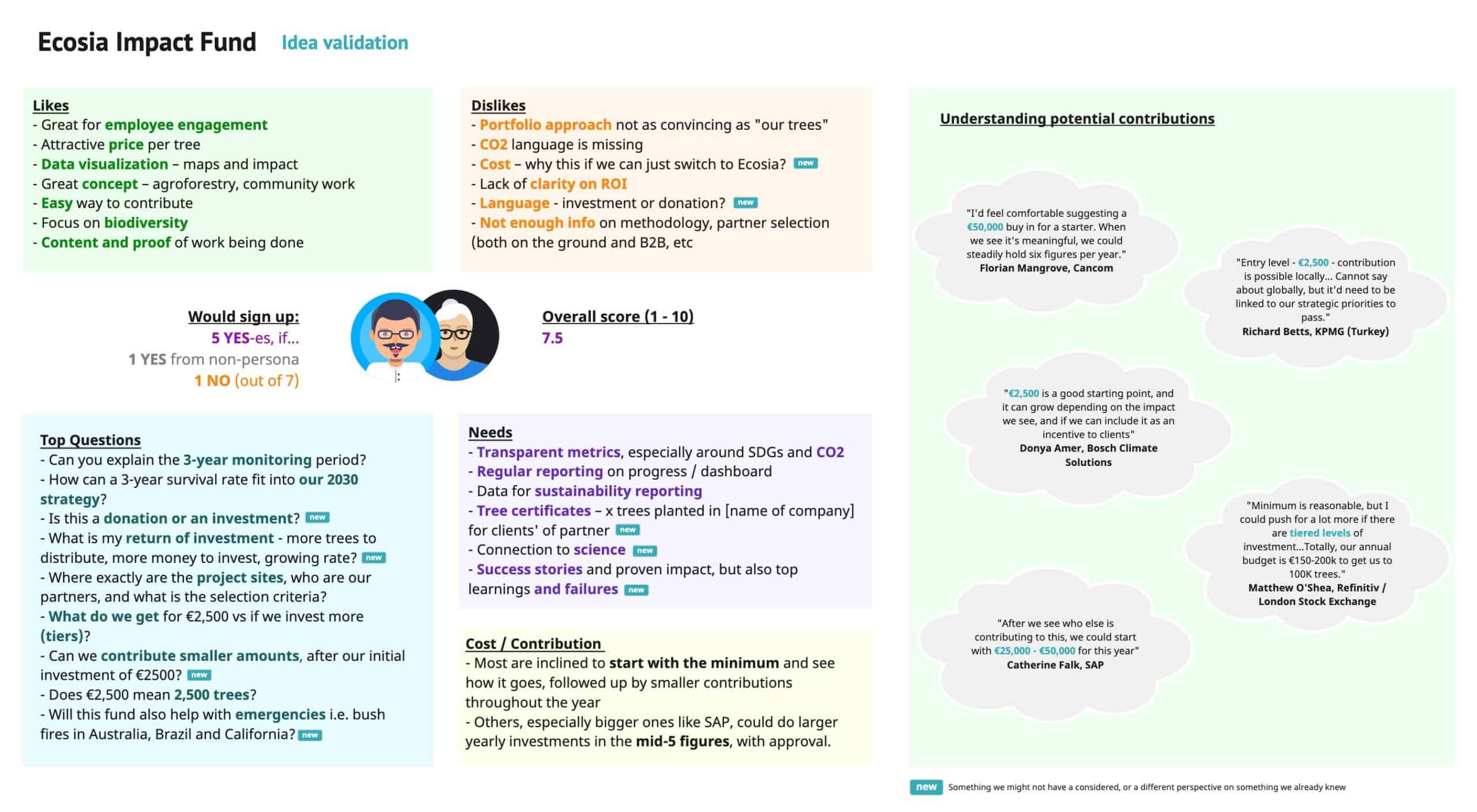
I interviewed employees, CSR leads, and execs across different companies to understand what they’d need from a Trees-as-a-Service product. We dug into cost expectations, reporting needs, what would help them sell the idea internally, and what they wanted from certification — both in terms of credibility and usability. After those interviews, we shared a first product concept, which they also responded to, helping us refine the offering and confirm we were on the right track.
Co-creating solutions
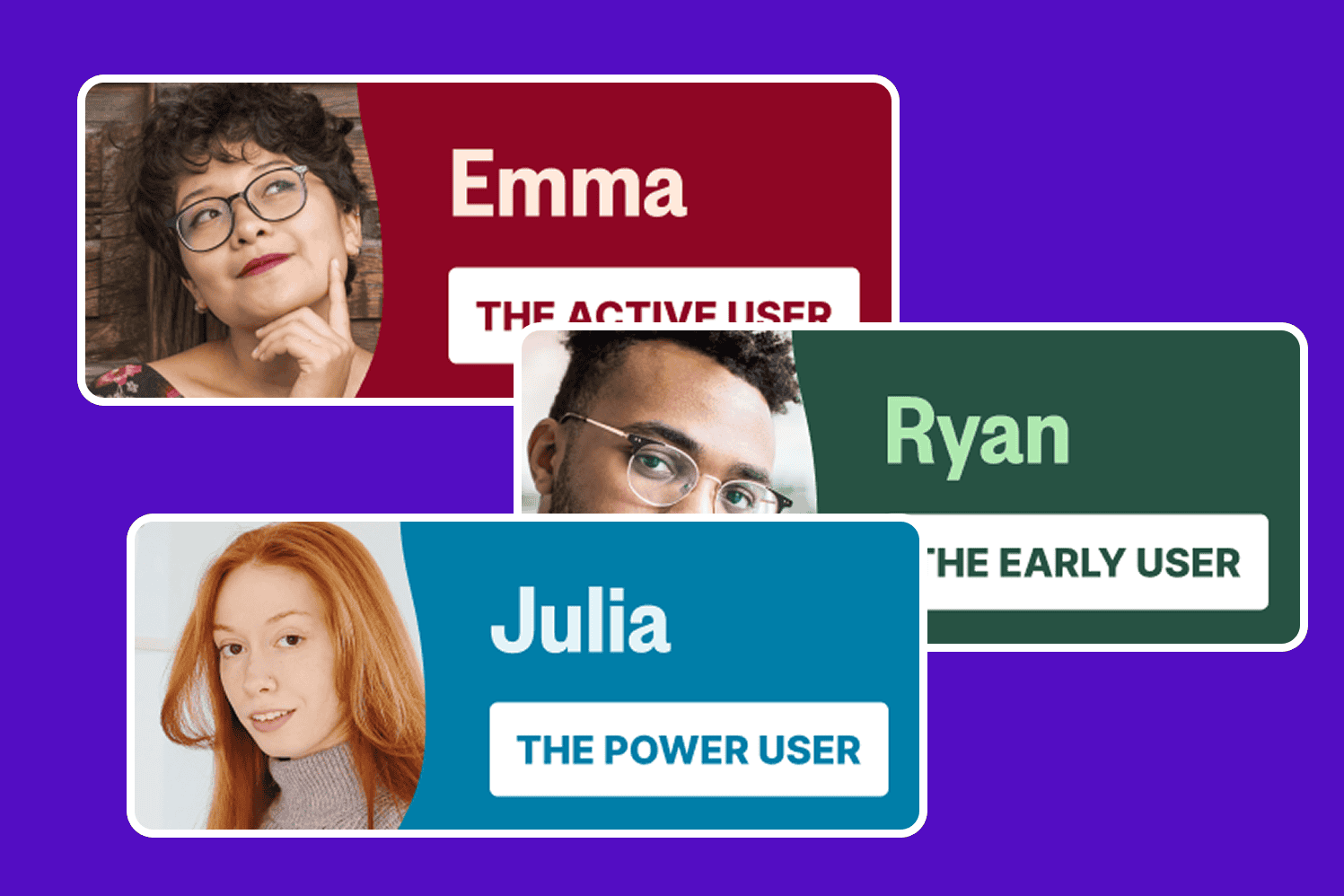
I facilitated an ideation workshop with C-level, country managers and product leads to help them connect directly with user needs and align on how we could differentiate. Using user personas and insights from research, we mapped opportunities and co-created solution ideas that balanced business goals with meaningful user value — pushing the team to think beyond surface-level sustainability features and toward a more distinct offering.
Capturing the customer journeys
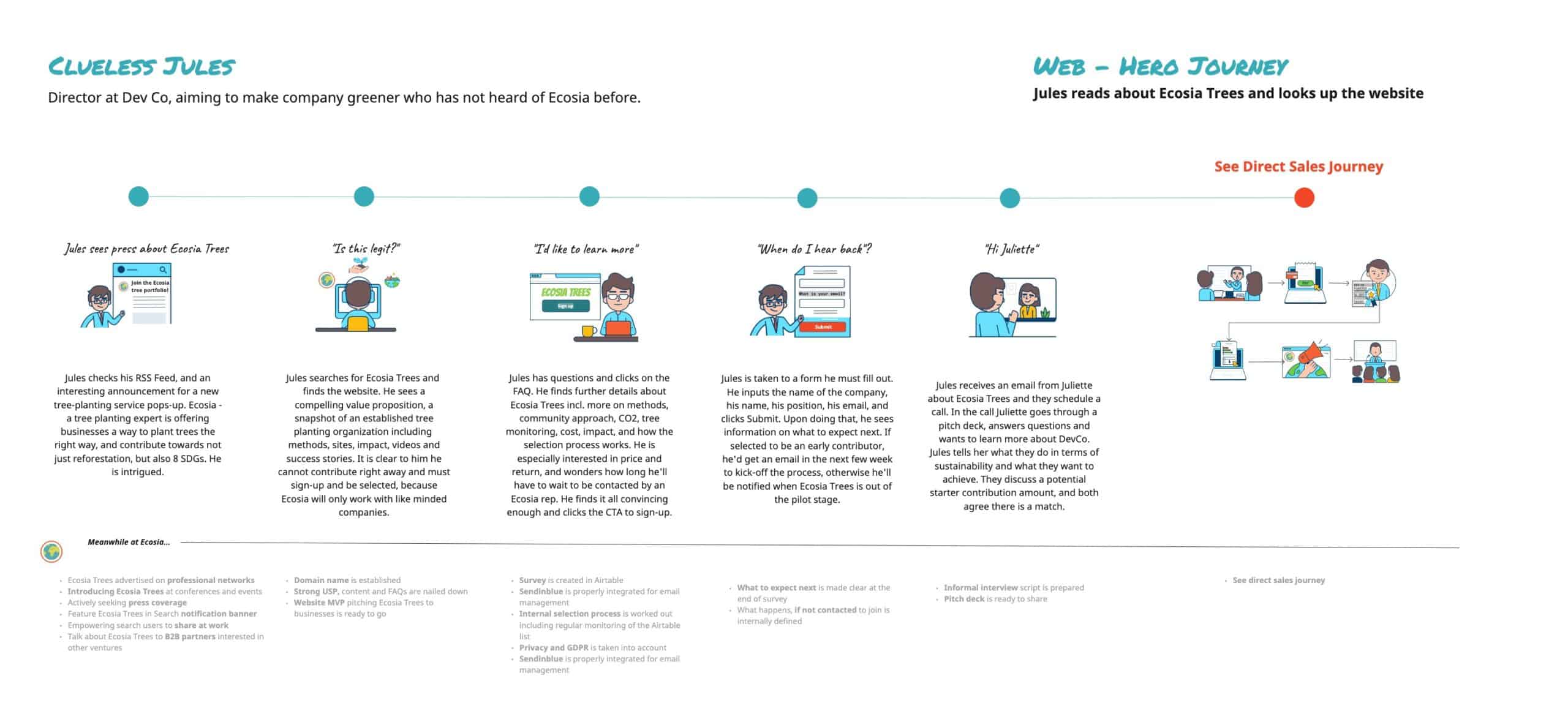
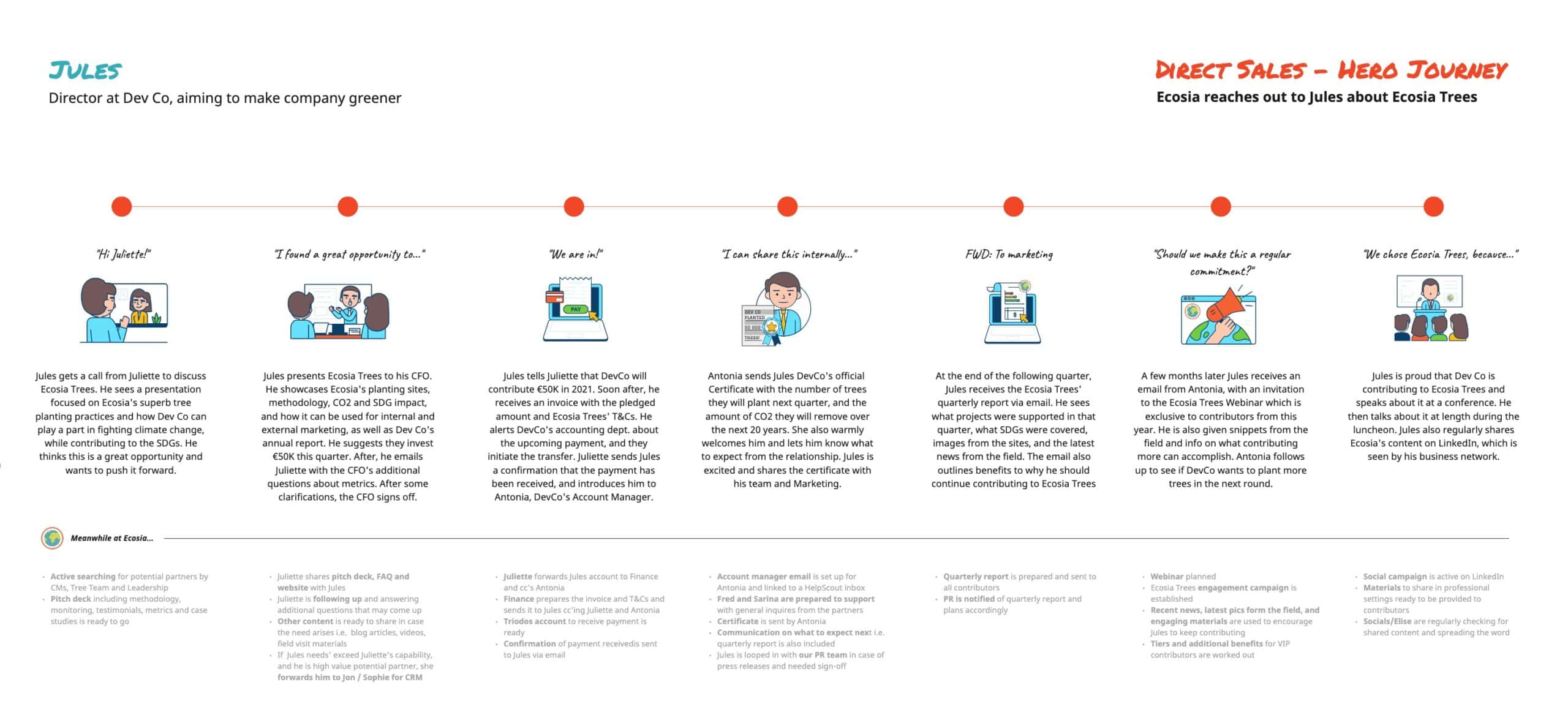
To help us think through content, word of mouth, or serach — and one for a sales-led path once they have enquired about the offering. This helped us get really clear on the different entry points, expectations, and where we needed to create value early. We used these journeys to align across teams, plan comms and product touchpoints, and spot gaps in the flow. Around this time, we also landed on the name Ecosia Trees, which helped make things feel more real and grounded in the user story.
Analysis and presentation
Improvement focus - happy moment and onboarding
Design explorations
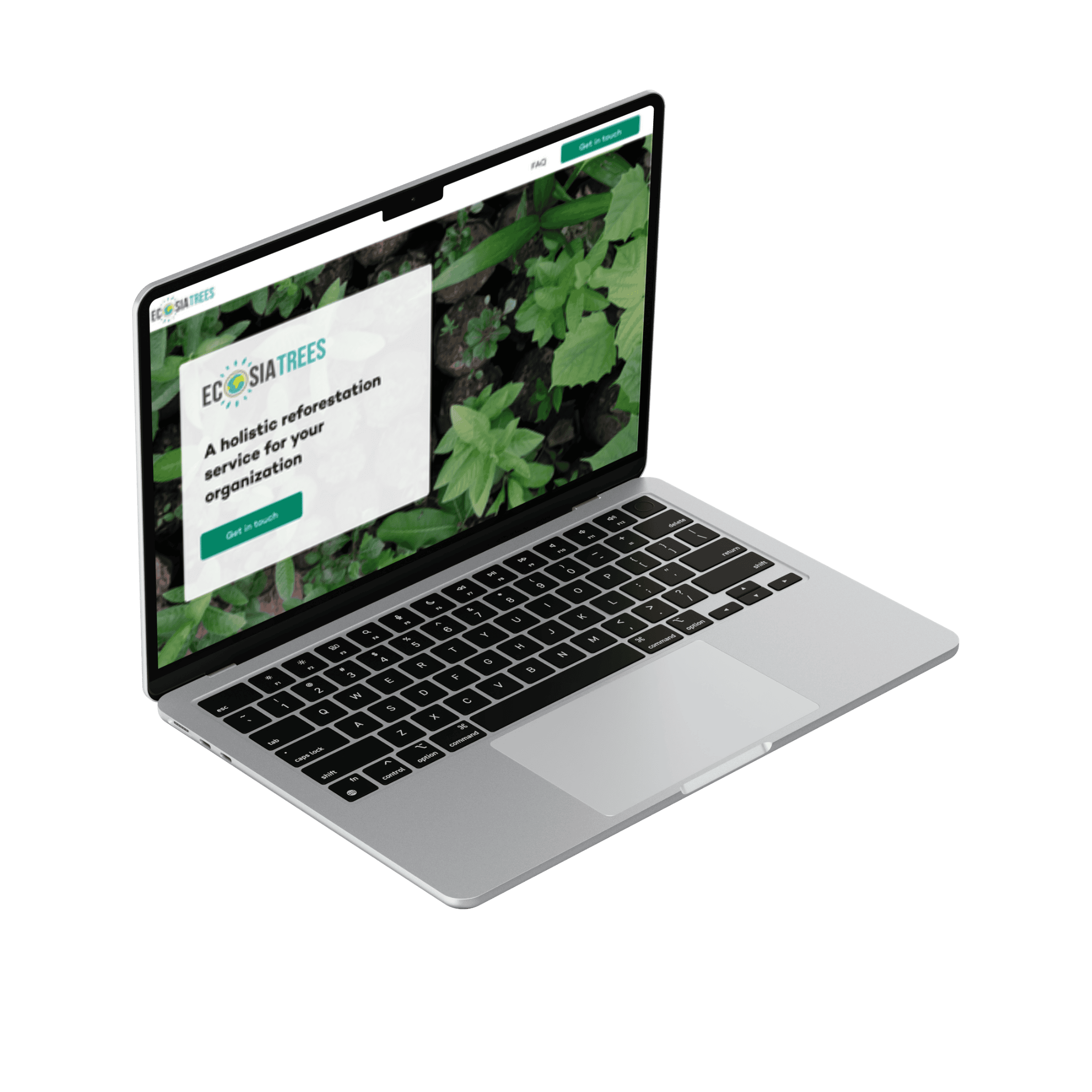
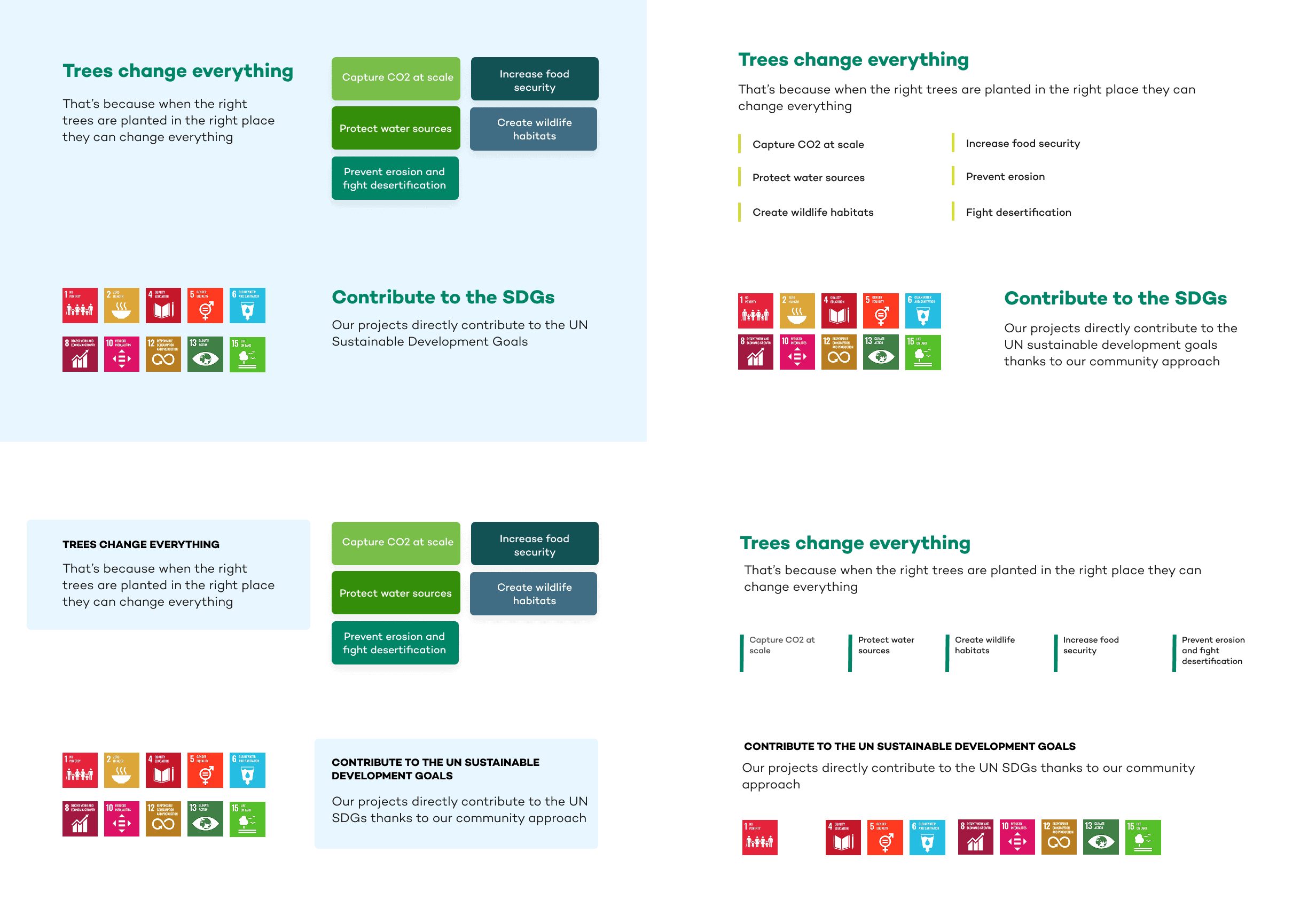
Once we had a good handle on what customers needed — and what we could realistically deliver — we wanted to put the journeys into action. A landing page felt like a quick, low-lift way to do that: it could bring in some organic interest and give Country Managers something concrete to share. I jumped into design mode and pulled together a product page that spoke to the key user needs, helped answer common questions, and guided people naturally into the sales flow.
Releasing and reflecting on learnings
One of the biggest things we learned was that direct sales calls were by far the fastest way to get traction — but we didn’t have the internal capacity to scale that approach. We also found that for larger companies, just planting trees wasn’t enough. What really mattered to them was CO₂ offset data, and the lack of that led to some big leads falling through. Looking back, it became clear that trying to fit a new product into an existing mold limited us. Next time, we need to be ready to build from the ground up, starting with the user and the value, rather than trying to retrofit around assumptions.

Explore More Work