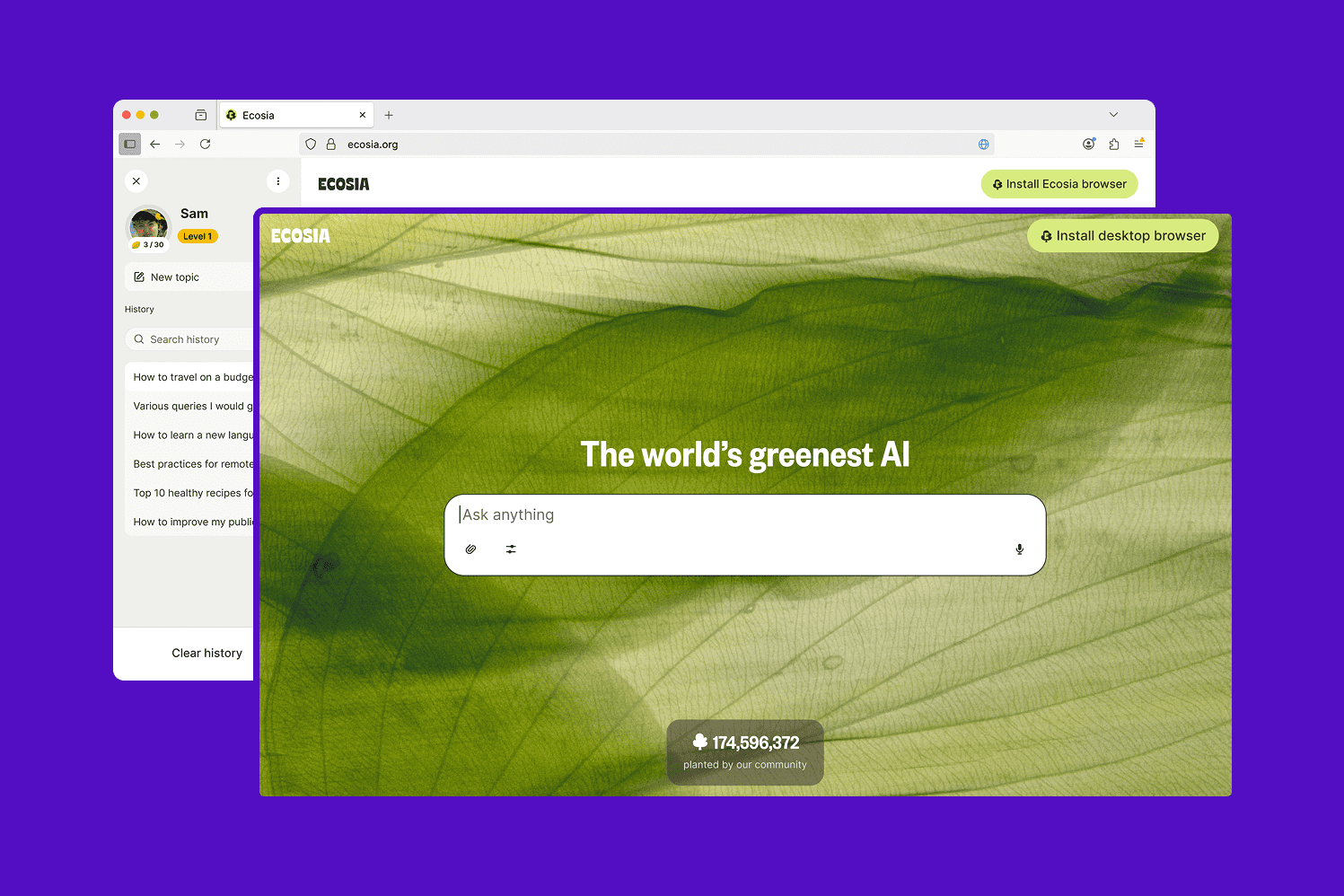
After working as a Senior Product Designer for 4 years, I transitioned back to my research roots and became Ecosia’s first User Research Lead. In this role, I established research ops from scratch, evangelized the value of user insights, and democratized UXR processes among designers. While continuing as the sole researcher, I also managed a team of five across the design org — including content and Design Systems designers. Through this dual role, I increased overall user understanding and embedded research processes into the product organization, making user perspectives a consistent driver of strategy, prioritization, and design decisions.
Setting up Research Ops
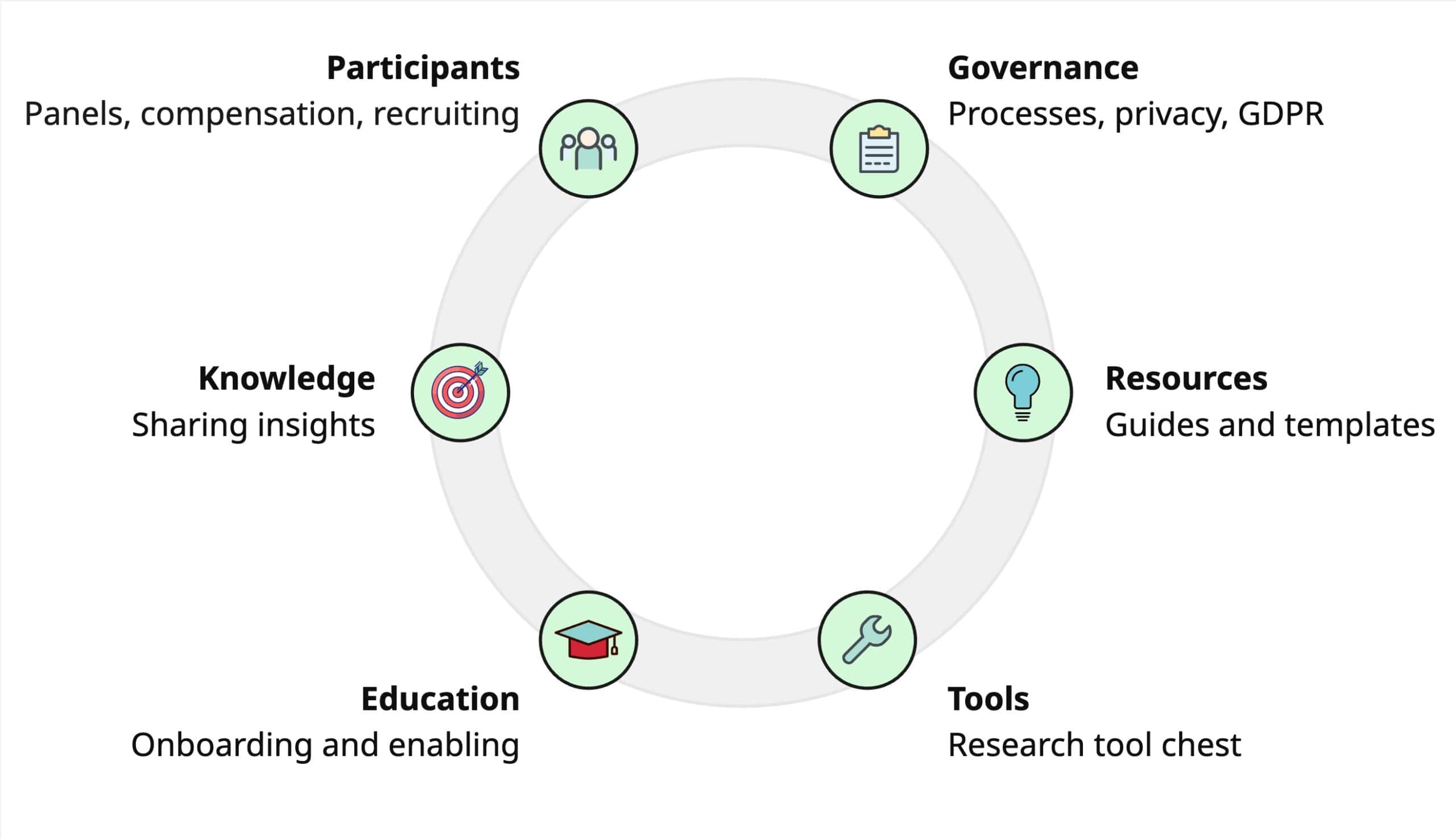
I established Research Ops at Ecosia by building on best practices from the wider research community and tailoring them to our needs. I formalized research processes, created a central touchpoint where anyone in the company could learn about our users, and built a self-serve space that enabled designers to run their own studies with confidence. I also set up a dedicated Confluence space that housed everything from onboarding materials and user panels to research guides, making research knowledge easily accessible across the org. Throughout, I acted as a consultant on all research activities, empowering designers to improve the quality of their work while ensuring consistency. In parallel, I owned cross-org knowledge initiatives — from building and iterating our first Personas to running surveys and managing our UX dashboards — making user understanding a shared resource across the company.
Building up research confidence
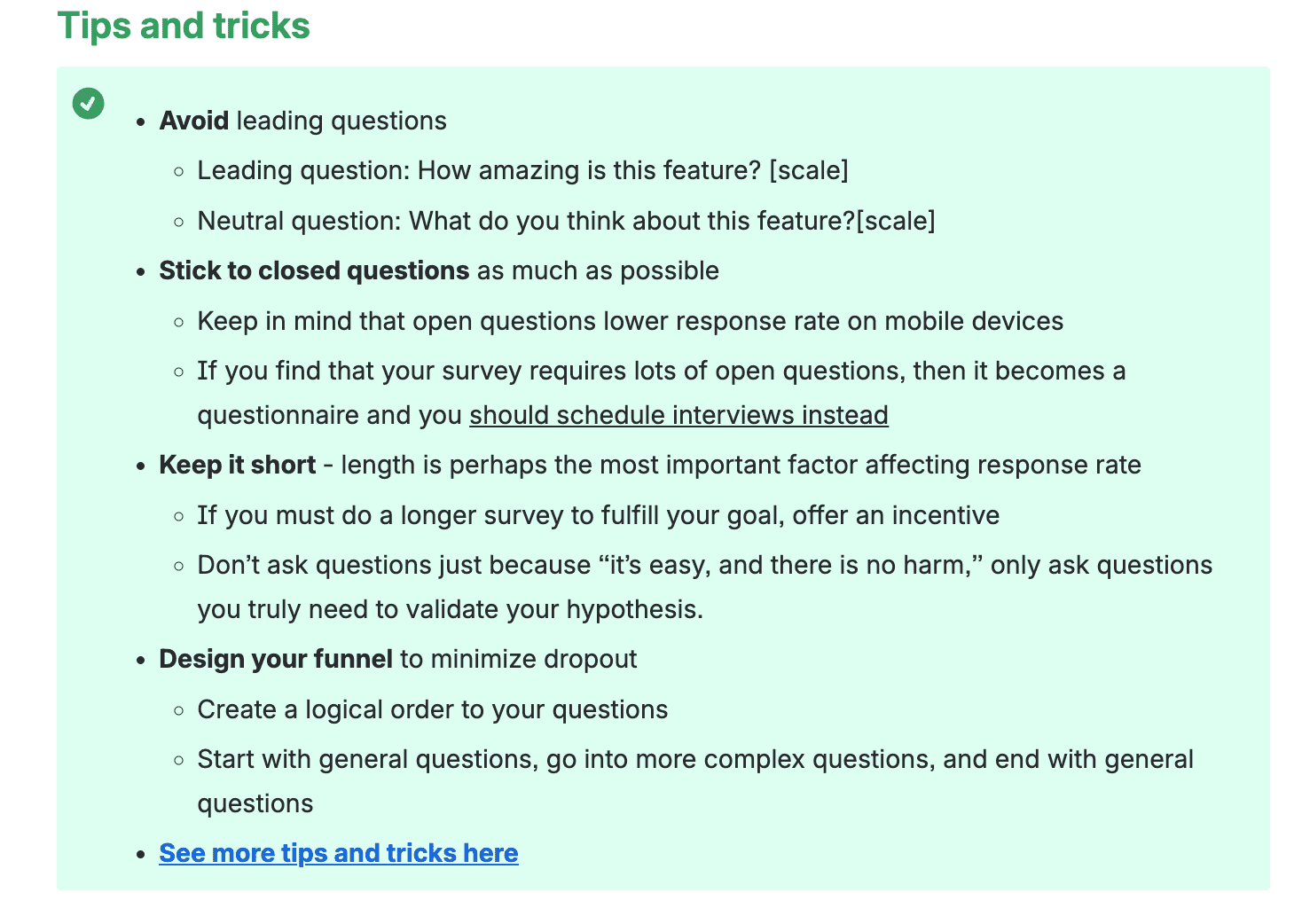
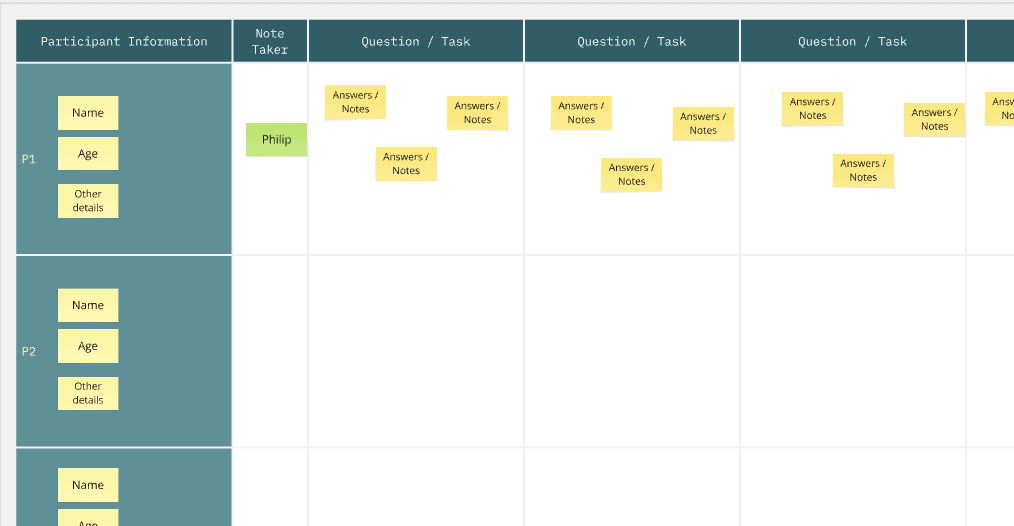
I invested in building research capability across the org by onboarding people to our research tools, publishing usability guides, and creating templates that structured the process end-to-end. I introduced kick-off and synthesis templates to help teams frame the right research questions, involve stakeholders early, and ensure findings were captured consistently. These resources made it easier for non-researchers to run studies with confidence while keeping research quality high. As a result, designers, engineers and PMs became more engaged in the process, and user insights were not only better structured but also more widely adopted in decision-making.
Evolving research documentation
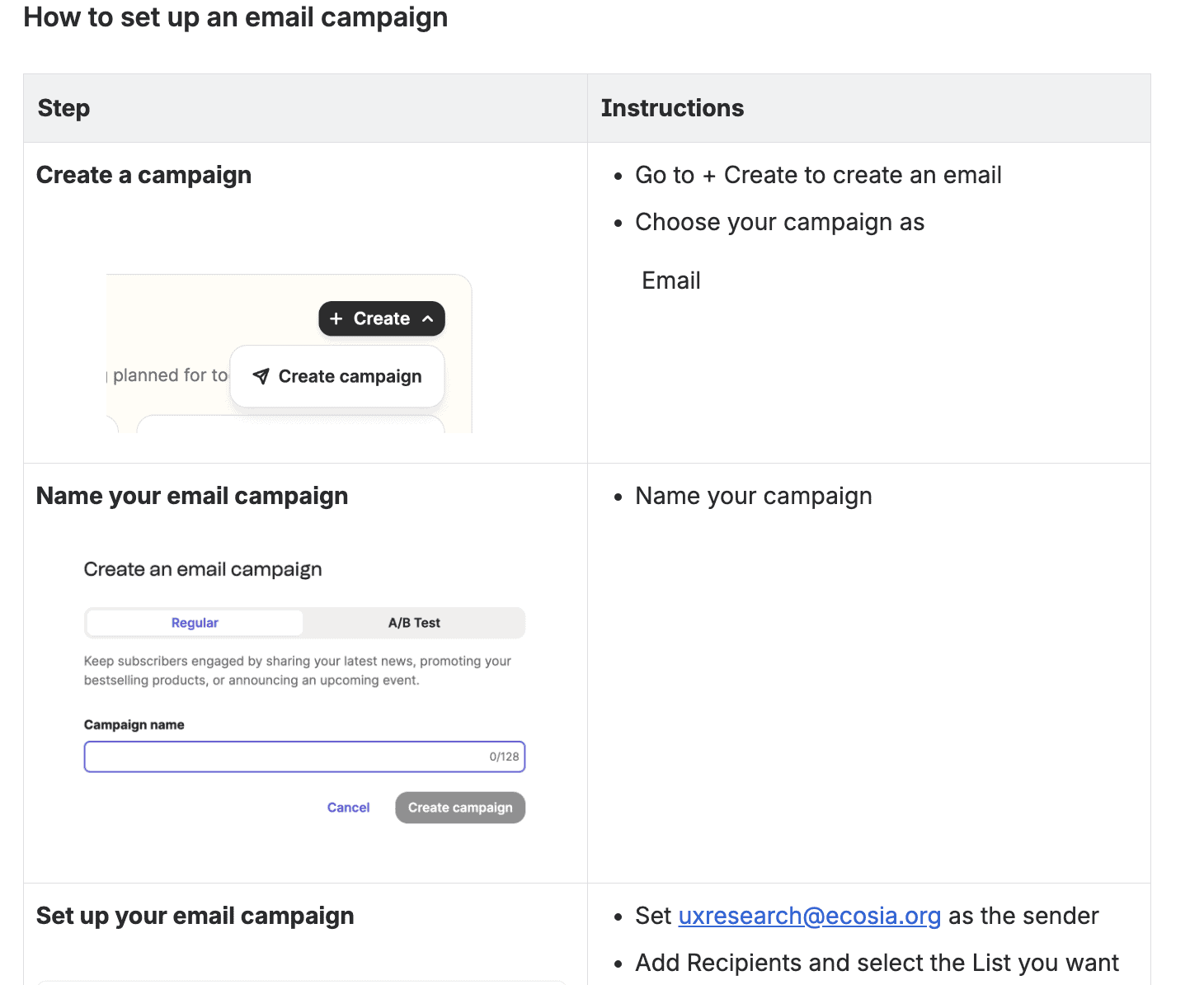
I also made sure that our tool guides were well-documented, maintained, and stress-tested, so they could be relied on even when I wasn’t available to support directly. This meant ensuring they were easy to follow, regularly updated with new learnings, and validated by designers who used them in real projects — giving the team confidence that research wouldn’t stall in my absence.
Building research literacy across the org
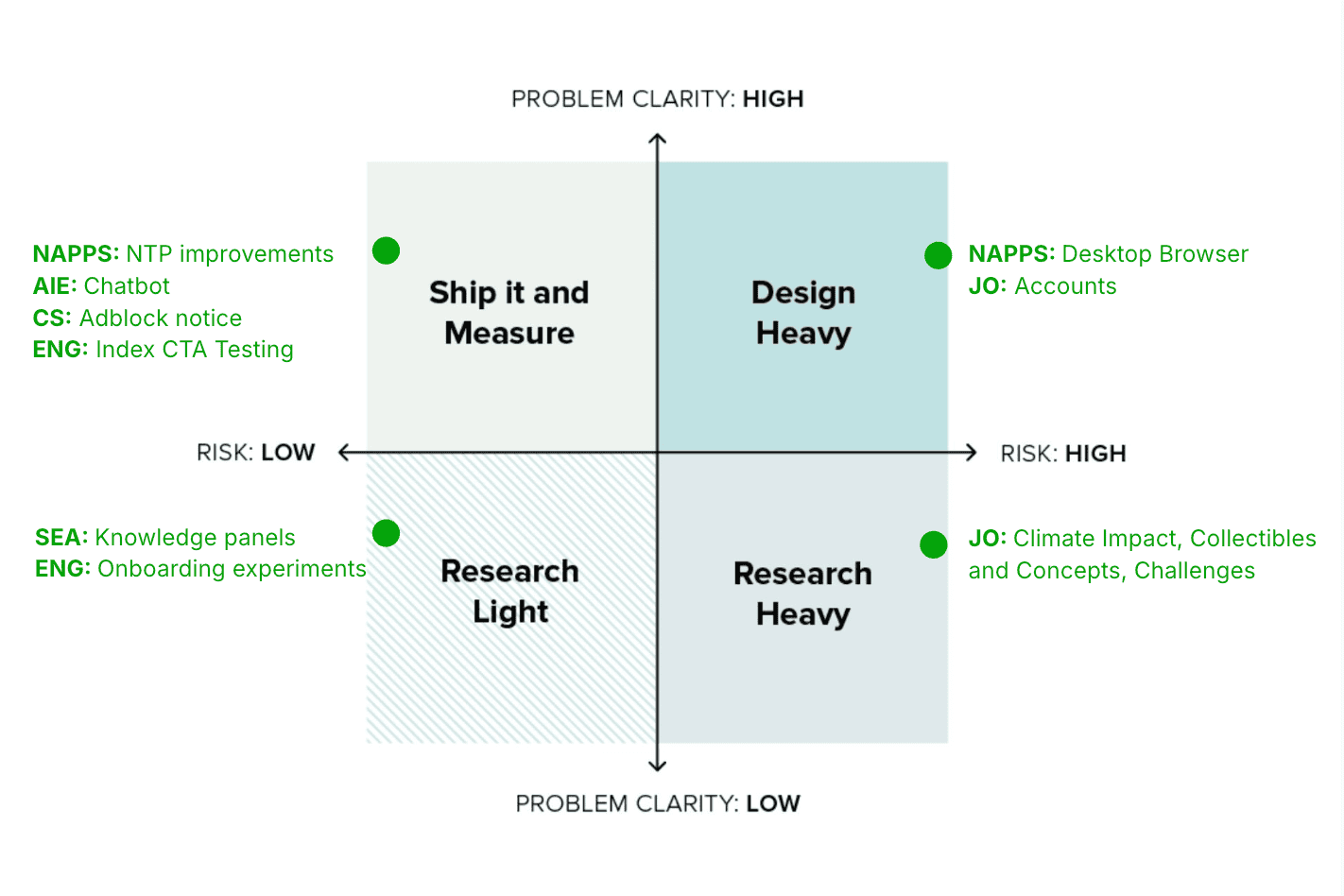
Alongside setting up Research Ops and creating self-serve resources, I also focused on educating stakeholders beyond the product org. I developed presentations and documentation specifically for C-level and non-product teams, breaking down the power of qualitative research and how it complements quantitative insights. By highlighting concrete projects — what we did, what we learned, and how those learnings shaped product decisions — I was able to show both the value qualitative research can deliver, as well as its limitations. This not only built trust in research, but also created a more informed stakeholder group, able to engage with and as for user insights in realistic ways.
Analysis and presentation
Improvement focus - happy moment and onboarding
Making insights accessbile
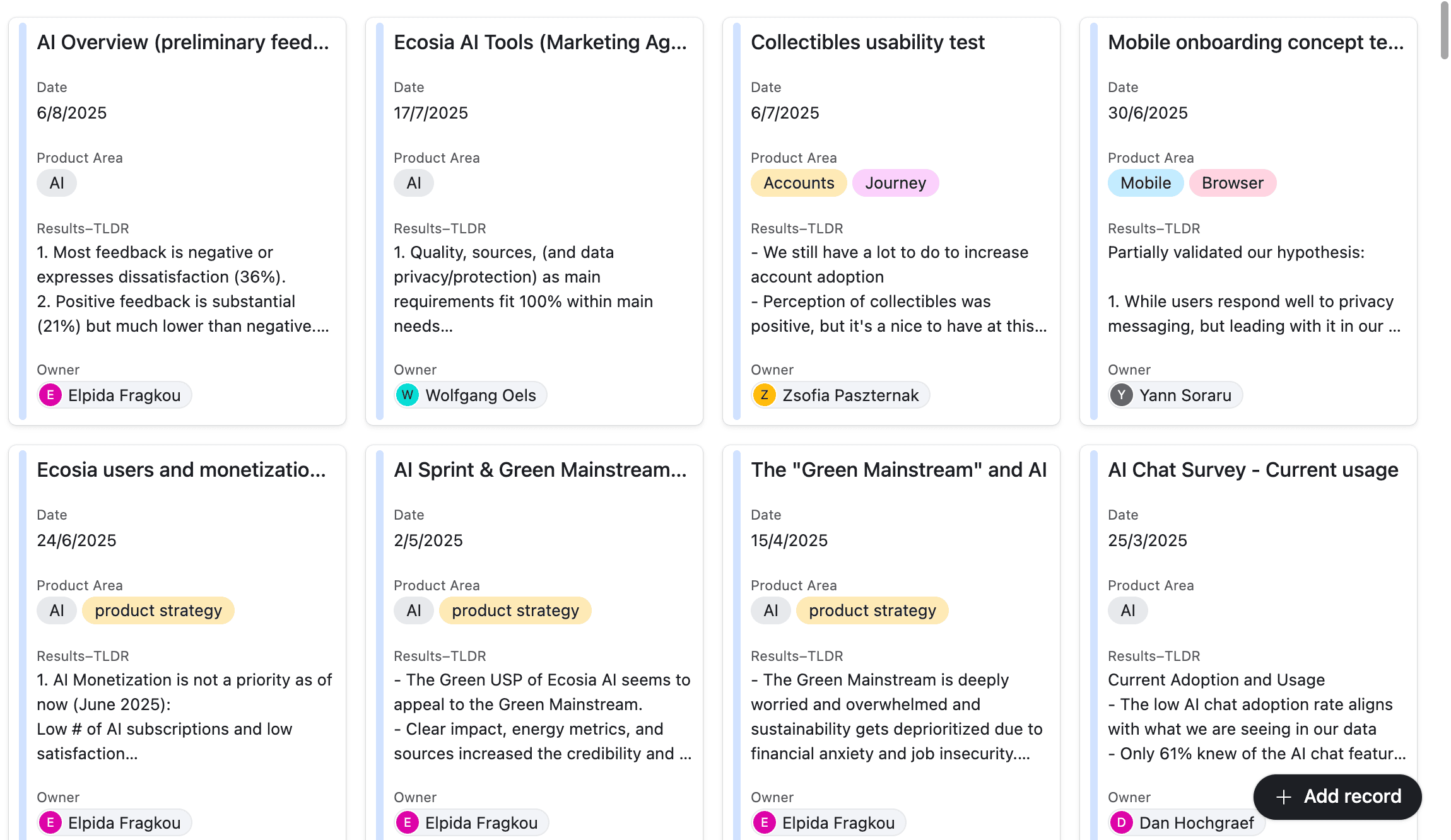
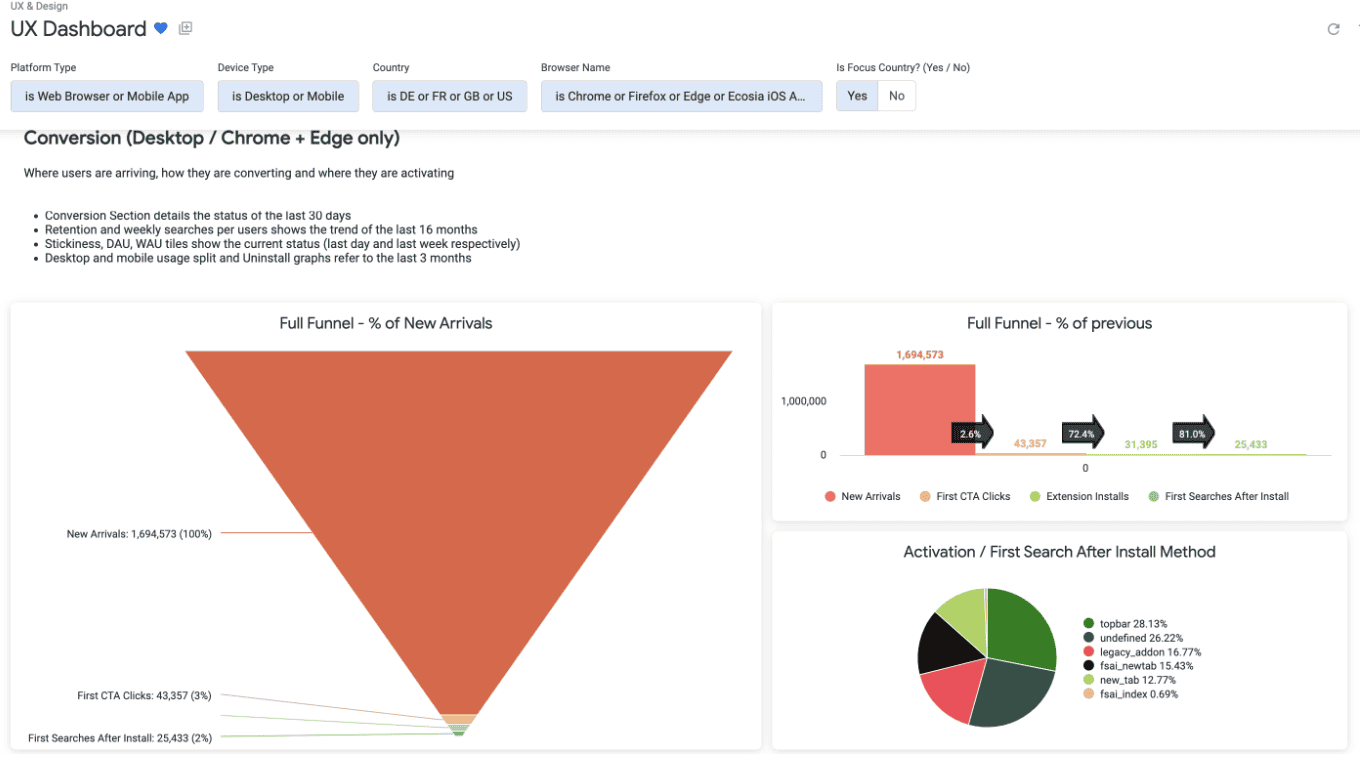
To make research insights more accessible, I built Ecosia’s first research repository in the form of a searchable Insights Database in Airtable, giving teams a central place to explore past studies and findings. The goal was to further democratize research by making user learnings easy to find and reuse across projects. To complement the qualitative insights, I also collected and visualized key datapoints in a UX Dashboard, tracking metrics around conversion and retention. Together, these resources created a balanced view of our users — blending behavioral data with deep qualitative insights — and gave product teams a stronger foundation for evidence-based decisions.
Analysis and presentation
Improvement focus - happy moment and onboarding
Strategy and design with users at the core
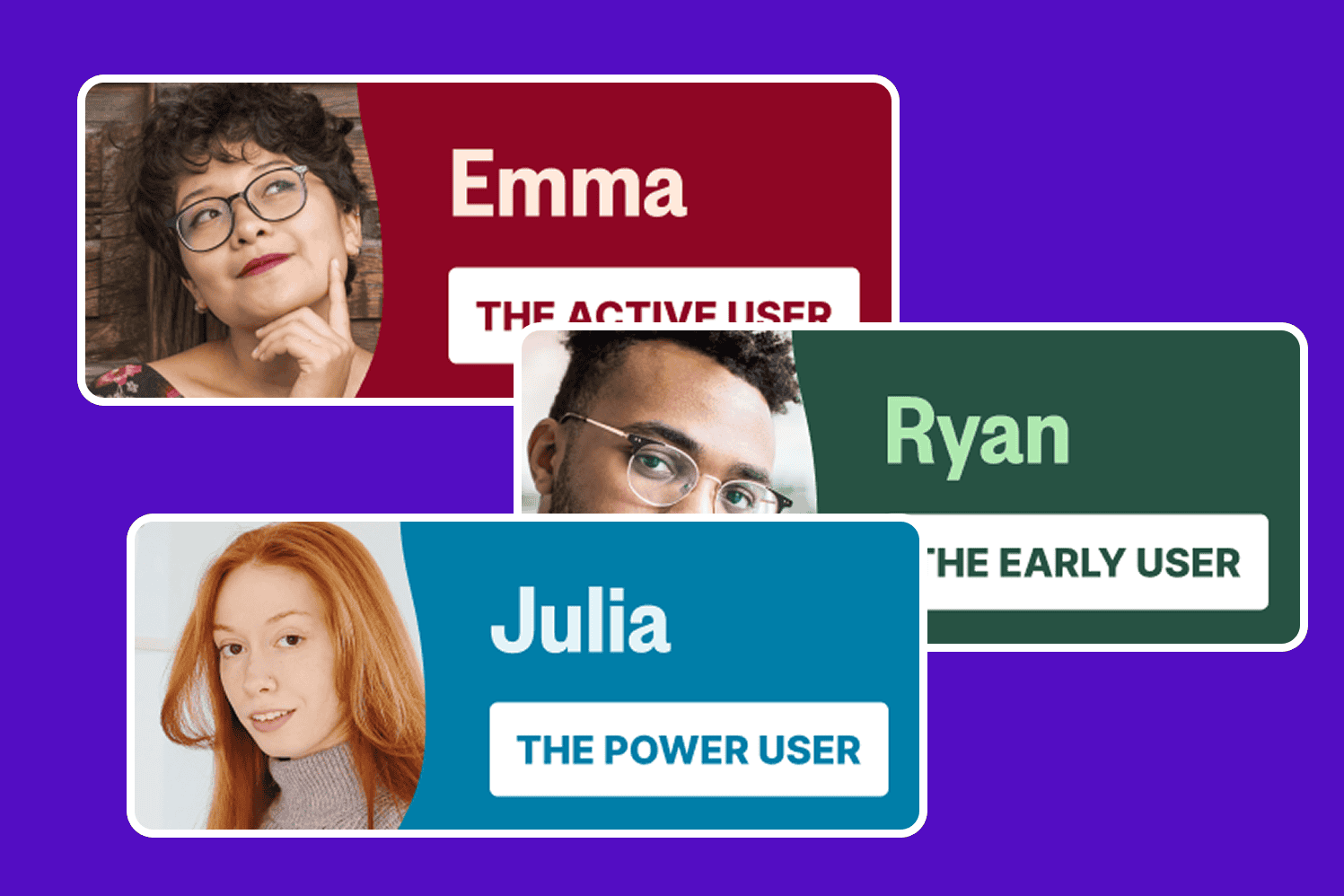
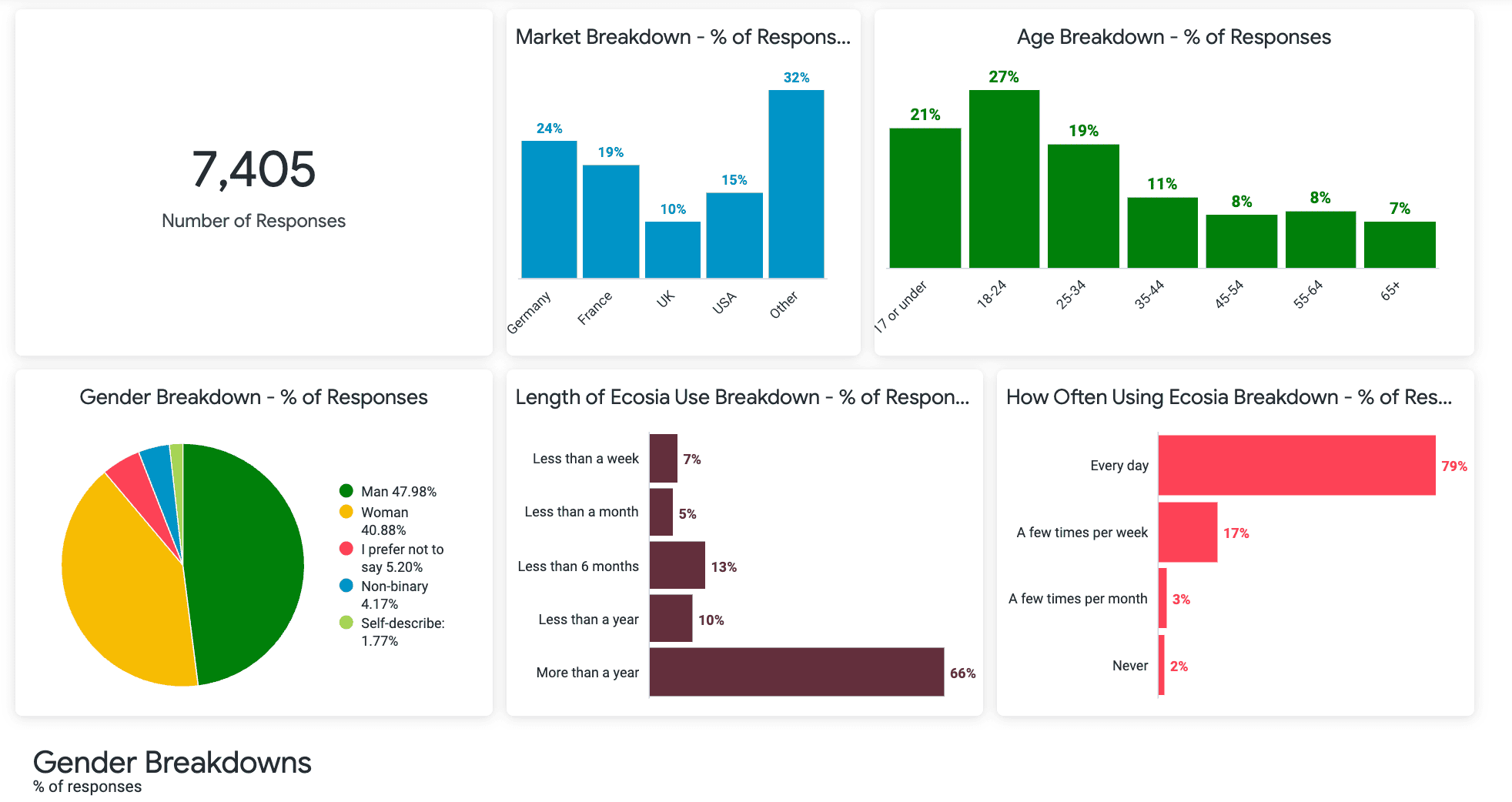
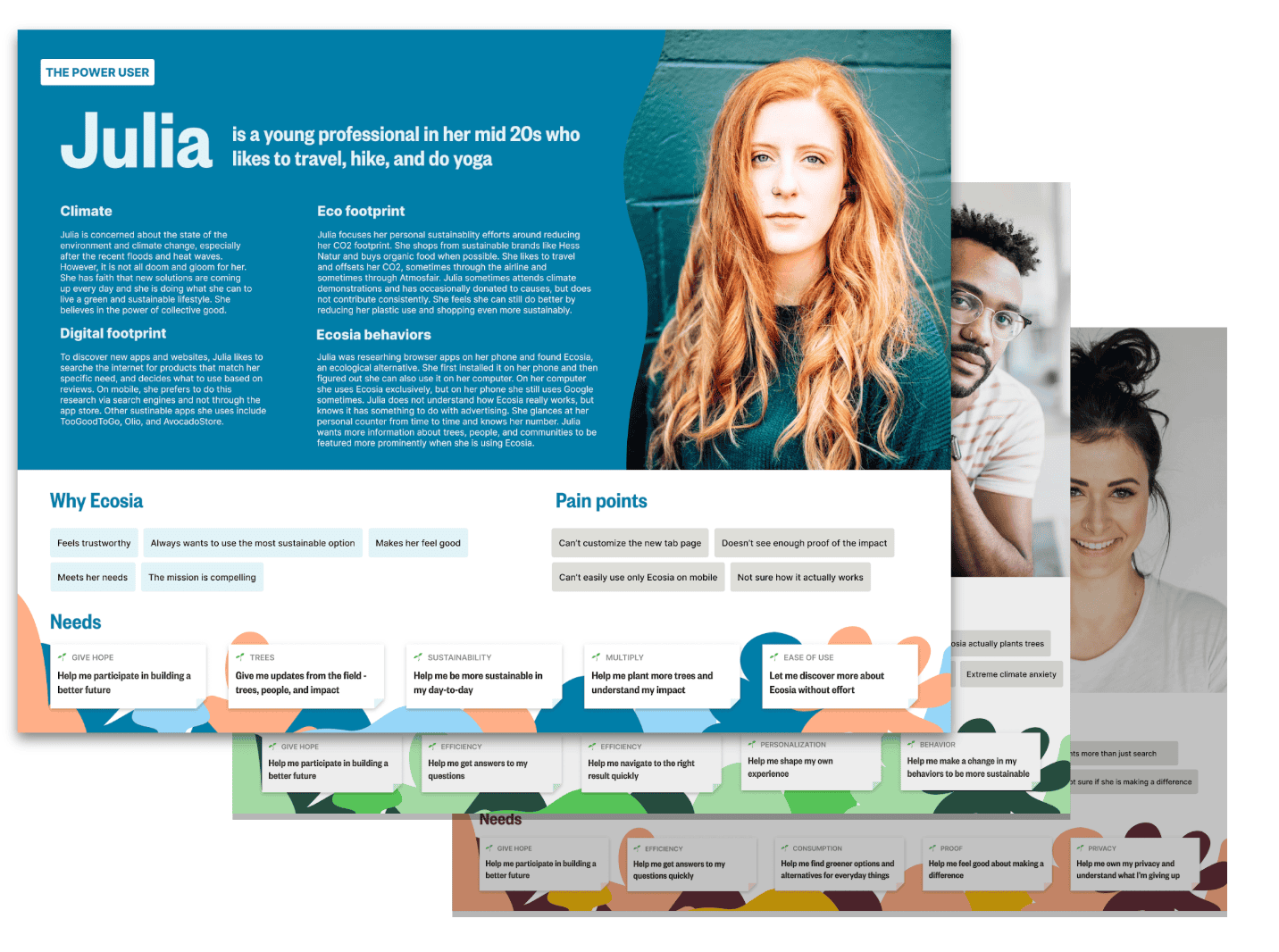
To increase user understanding at Ecosia, I launched an annual benchmark survey that tracks our users across devices, uncovering their habits, motivations, and the Ecosia features they value most year-to-year. This survey not only tastemakes user needs but also gives us a clear signal on where to focus our product strategy. In parallel, I created and continuously evolved Ecosia’s user Profiles, our in-house personas, through multiple iterations. These Profiles have become a heavily used tool across teams, helping product managers, designers, and stakeholders empathize with users and keep their needs front and center throughout the product development journey.
Analysis and presentation
Improvement focus - happy moment and onboarding
Explore More Work